
A political fiction about the future of Europe, Islam, the far right, the limits of democratic coexistence, and the failure of social cohesion
What would happen if Europe entered a spiral of political radicalization, if the persecution of minorities fueled new forms of extremism, and if part of the continent eventually began to question its own borders? This fictional story presents an extreme scenario to explore a real question: can a democracy defend its values without ultimately destroying them?
Editorial note: This article is a work of speculative political fiction. The future events, characters, and scenarios described here are imaginary. They are not a demographic prediction.
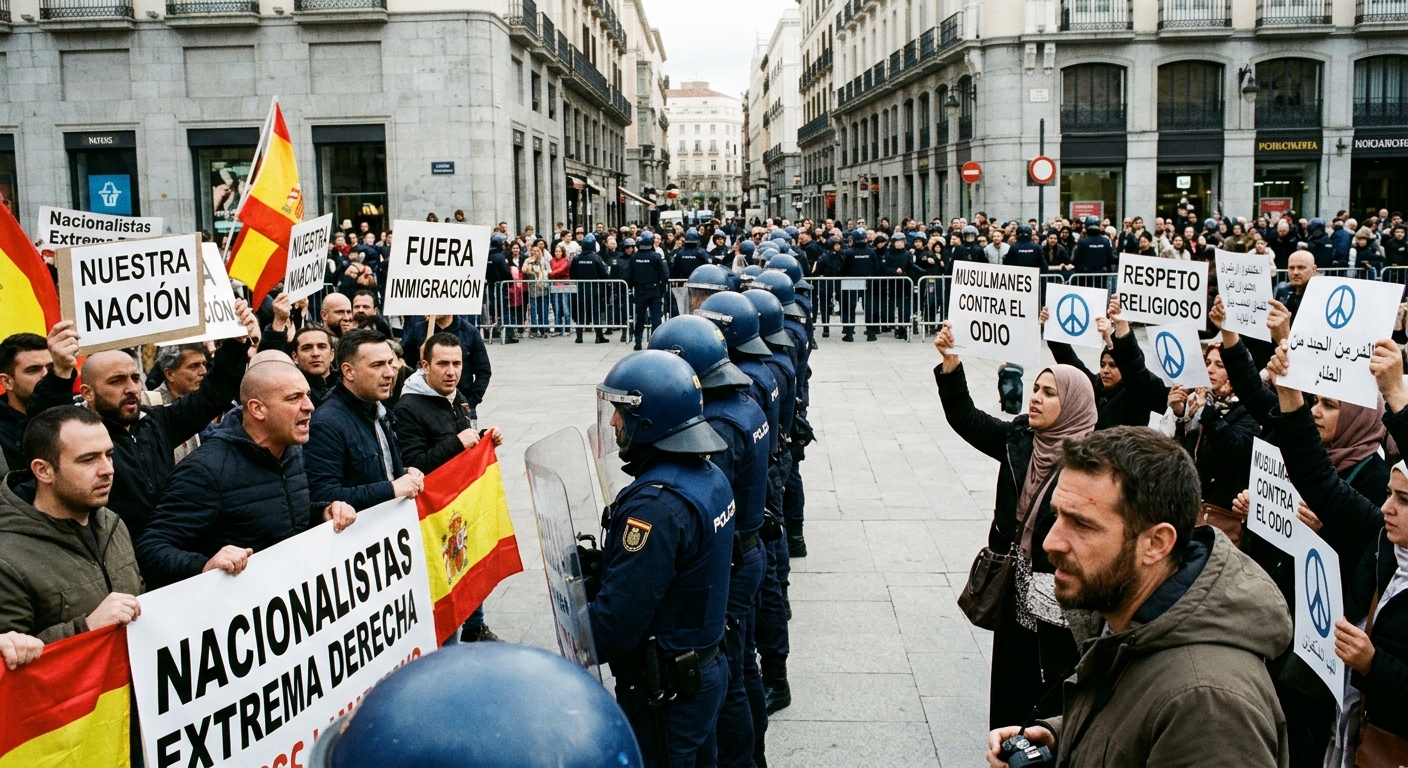
1. Europe, 2045: The Continent That Lost Faith in Itself
In October 2045, Europe no longer looked much like the Europe of the beginning of the century.
For decades, its societies had debated immigration, national identity, religious freedom, integration, and the limits of cultural diversity. These discussions had moved from parliaments to the streets, from universities to social media, and from news outlets to everyday conversations between neighbors.
What had initially been a debate about public policy eventually became, in many countries, a battle over Europe’s very identity.
Could a society maintain its cultural cohesion while incorporating millions of people from different traditions? How far should religious freedom extend? What happens when certain religious interpretations come into conflict with principles such as equality between men and women, freedom of expression, or the separation of religion and state?
Different countries had offered different answers. But instead of producing lasting agreements, these differences fueled growing polarization.
In several European states, radical nationalist parties came to power promising to regain control of borders, limit the influence of political Islam, and restore a national identity they believed was under threat.
Initially, their programs focused on irregular immigration, security, and the financing of religious organizations. Then much broader restrictions followed.
Some governments banned the hijab. Others imposed new restrictions on mosques and Muslim associations. In certain regions, measures were introduced against commercial activities linked to religious practices, including halal slaughter, ultimately affecting businesses and consumers far beyond the organizations that were supposedly being targeted.
Courts challenged some of these decisions. Human rights organizations denounced discrimination. But politics was moving at a pace that institutions could not always contain.
Millions of Muslim citizens, many of them born in Europe, began to feel that their citizenship was becoming increasingly conditional.
They did not all share the same beliefs. Some were observant, others had little connection to religion, and still others openly defended a secular vision of society. Nevertheless, they began to discover that public opinion increasingly treated them as if they belonged to a single political and cultural community.
At the same time, the most radical Islamist movements took advantage of the situation to spread a message that had previously struggled to reach certain sectors of society.
“Europe will never accept you. You can change your language, your clothes, and your nationality, but you will always be foreigners.”
The message was false as a description of the widely differing experiences of millions of people, but it found fertile ground wherever discrimination was real.
Nationalist extremists and Islamists began using each other as evidence to support their respective theories.
One side pointed to every incident of Islamist radicalism to justify further restrictions. The other presented every discriminatory measure as proof that coexistence with Europe was impossible.
Each side needed the other to keep its narrative alive.
And as moderate voices lost ground, the continent entered a dangerous spiral: the more one side tried to impose its vision of Europe, the more convinced the other became that it had to fight back.
The great tragedy was that most citizens had never chosen a permanent culture war. They simply wanted to work, educate their children, practice their beliefs—or practice none—and live in safety.
But politics had begun to organize itself around their fears.
And fears, when turned into instruments of power, rarely recognize limits.
2. Spain: The Last Refuge
Against this backdrop, Spain had followed a different path for years.
Progressive governments had pursued policies of integration, minority protection, and religious freedom. While other governments tightened their restrictions on Islam, Madrid insisted that security and social cohesion had to be guaranteed without discriminating against citizens because of their beliefs.
Spain was not free of tensions. Debates over immigration, housing, public services, education, and models of integration were also intense. But for a time, the country retained a reputation for relative openness.
That difference began to have consequences.
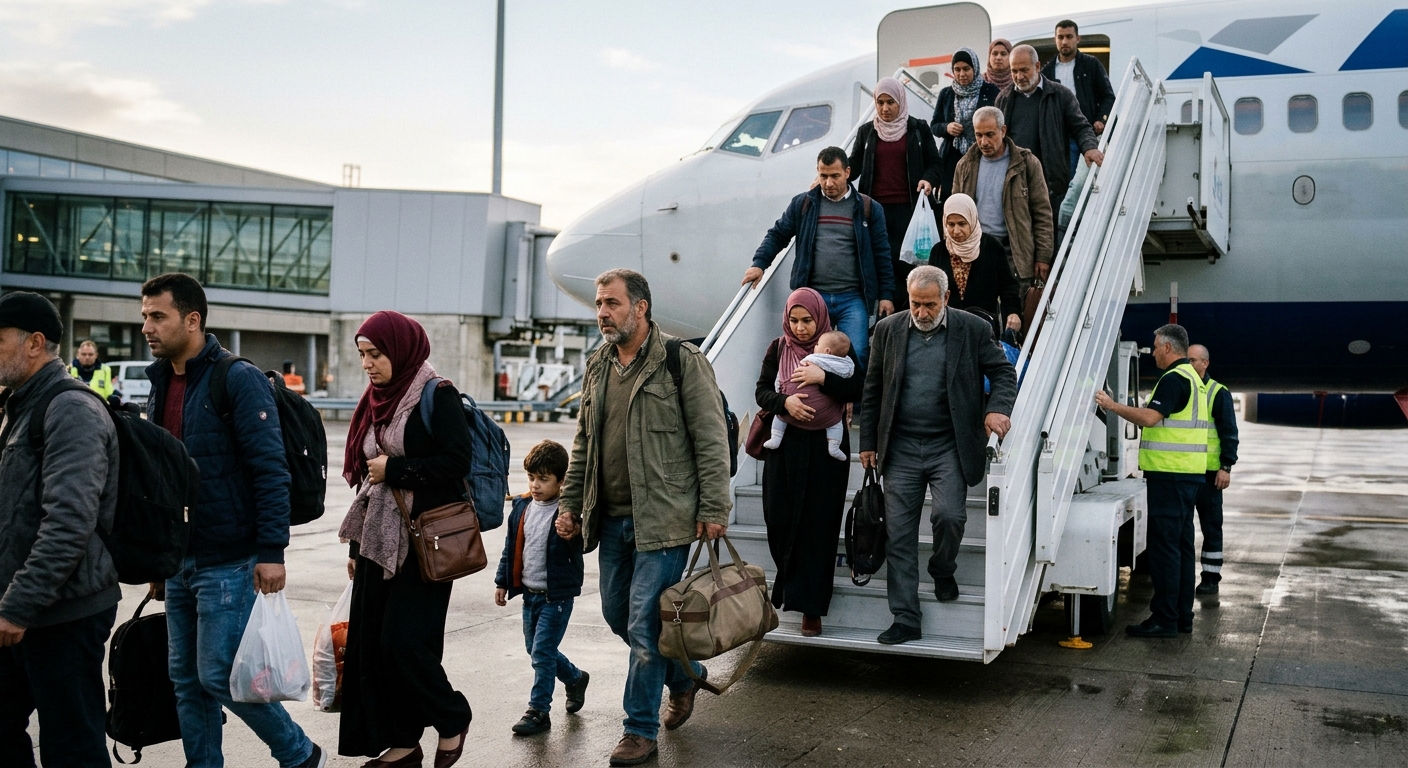
Thousands of Muslims living in other European countries started moving to Spain. Some were highly qualified professionals seeking better opportunities. Others were families trying to escape discrimination. There were also people who felt more culturally comfortable in a country where the historical presence of Islam formed part of the collective memory.
Andalusia acquired particular importance.
Its geographical proximity to Morocco, economic ties with North Africa, the appeal of certain cities, and the cost of living in some areas helped make it a significant destination.
The arrival of people from different European countries added to international immigration and the demographic changes already underway.
Málaga grew as a technology and business hub. Almería strengthened its agricultural and logistics links with Mediterranean markets. Granada became a major international university center. Seville underwent an accelerated economic and cultural transformation.
New mosques, halal restaurants, cultural centers, businesses, and associations appeared in certain neighborhoods. Interfaith dialogue initiatives, educational projects, and spaces for cooperation among citizens of different backgrounds also multiplied.
But this growth was not without problems.
Housing demand increased in certain areas. Some public services struggled to keep pace with population growth. Disputes emerged over language, school curricula, family customs, and the role of religion in public spaces.
Many of these problems were common to societies undergoing rapid change. However, political parties began interpreting them in radically different ways.
For some, Andalusia demonstrated that a diverse society could prosper through integration and equal rights.
For others, the transformation was happening too quickly and without sufficient democratic debate.
And for the most conservative Islamist movements, this concentration of Muslim residents represented an opportunity to increase their political and social influence.
Not all Muslims shared that objective. Many defended a plural, democratic, and secular Spain. Others preferred a greater public presence for religion without challenging the constitutional order. A minority, however, wanted to transform institutions so that religious rules would play a central role in political life.
The question was no longer simply how many people were arriving or where they came from.
The decisive question was what kind of society the people living there wanted to build, and what limits they were willing to accept in the name of their convictions.
Meanwhile, uncertainty was growing across the rest of Spain.
And that uncertainty became the fuel for a new electoral battle.
3. The Night Spain Changed Course
The 2050 election campaign was one of the most tense in the country’s recent history.
Traditional parties tried to defend their positions, but they were increasingly unable to impose a shared narrative. The economy was struggling, the immigration debate dominated the news, and social media amplified the most violent incidents.
Far-right parties presented Andalusia’s transformation as a warning about Spain’s future.
Their leaders insisted that the country was losing control of its identity, that integration policies had failed, and that institutions needed to reassert their authority.
Their opponents accused them of collectively blaming Muslims for complex problems and exploiting fear to win votes.
Both narratives found millions of supporters.
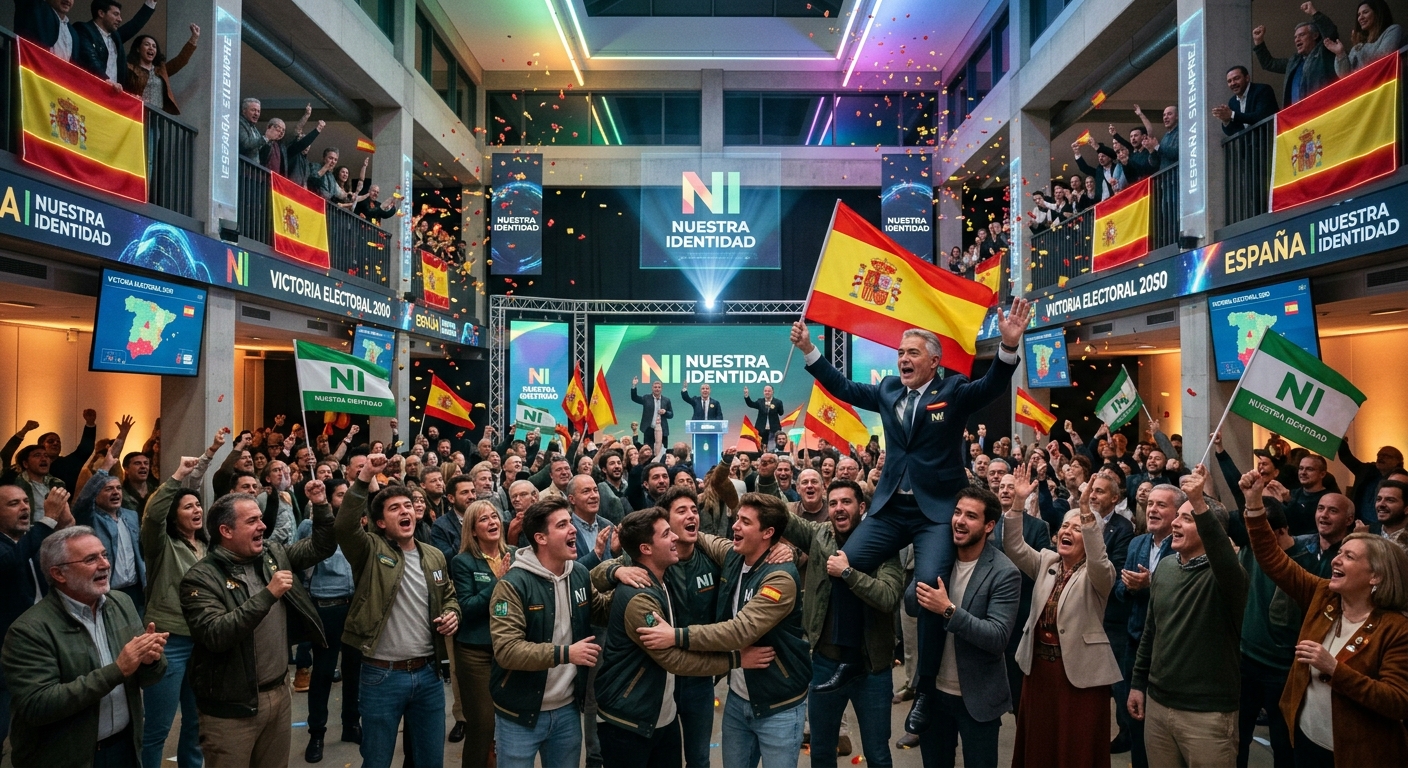
On election night, the results confirmed the shift.
The radical nationalist coalition led by Alejandro Valcárcel had won the election.
From the balcony of his party headquarters, the new leader promised a profound transformation of the state.
“Spain will once again make its own rules. No foreign pressure, no religious organization, and no interest group will stand above our democracy.”
His supporters celebrated the result as a historic victory.
Elsewhere, the same words were interpreted as the announcement of a new era of restrictions.
During its first months in office, the government passed reforms concerning foreign funding, transparency in religious organizations, and the monitoring of groups considered extremist.
Some of these measures addressed legitimate concerns about security and opaque financing. Others, however, began to be applied discriminatorily.
Restrictions were imposed on religious activities, affecting citizens who had no connection to radical organizations. Several mosques were closed through administrative decisions that were subsequently challenged. Limitations on religious clothing were introduced, and new barriers emerged for certain halal commercial activities.
The government maintained that it was protecting state neutrality, security, and equality before the law.
Its critics responded that pursuing illegal conduct was one thing, while restricting rights because of religious affiliation was quite another.
In the political climate of that year, nuance began to disappear.
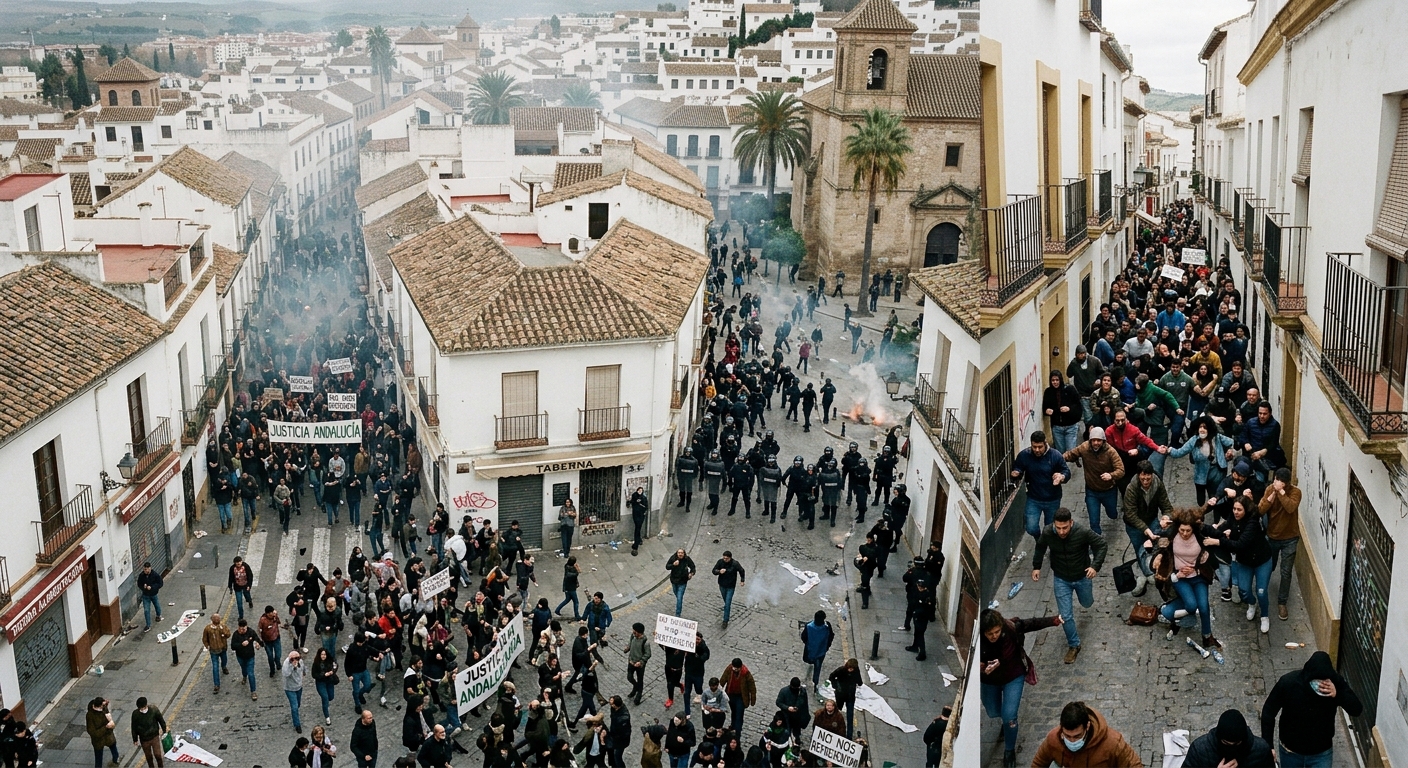
Demonstrations multiplied. Clashes broke out in several cities between nationalist groups and Muslim activists. Extremist organizations on both sides exploited every incident to recruit new followers.
Then a police operation in Seville ended with several deaths during the ensuing unrest.
The circumstances became the subject of conflicting investigations. Incomplete videos and difficult-to-verify accounts circulated. Before investigators could reconstruct what had happened, social media had already delivered its verdict.
For some, it was proof of the state’s brutality.
For others, it demonstrated that the government needed to act more forcefully.
Society split between those demanding security at any cost and those who believed the state had stopped protecting them.
Spain had entered a crisis of legitimacy.
And the worst was yet to come.
4. The Spiral of Radicalization
Over the following weeks, events accelerated.
Ultranationalist groups organized street patrols that, under the pretext of defending neighborhoods, ended up harassing Muslim citizens and attacking some businesses.
In response, Islamist organizations called demonstrations that, in certain places, escalated into clashes. Some radical factions began presenting confrontation as a religious and political obligation.
Most Muslims rejected both attacks against their neighbors and attempts to impose a religious order. But their positions were increasingly drowned out by more aggressive rhetoric.
There were also non-Muslim citizens who condemned discriminatory restrictions without supporting political Islam. Others supported the government’s reforms but rejected attacks against innocent people.
Social reality was far more complex than the image of two opposing camps.
Yet the logic of confrontation demanded that everyone choose a side.
Lists of businesses to boycott began appearing on social media. Rumors spread about alleged Islamization plans, political conspiracies, and attacks that had never happened. Some videos came from other countries or had been manipulated.
Disinformation became a political force in its own right.
Extremists understood that they did not need to convince most of the population. They only needed to provoke enough incidents to make dialogue impossible.
Every attack generated outrage. Every new restriction triggered protests. Every violent protest was used to justify further security measures.
The cycle closed in on itself.
The economy began to suffer. Some businesses relocated their operations. Tourism declined in areas affected by unrest. Families who had lived in the same neighborhoods for years began avoiding one another.
In schools, teachers found themselves dealing with children repeating their parents’ accusations. Some students were singled out because of their surnames, clothing, or family religion.
Coexistence ceased to be an everyday experience and became a permanent political issue.
And as institutions struggled to regain control, the most radical sectors of each community portrayed any compromise as betrayal.
The Spanish government was convinced that it needed to demonstrate authority.
The toughest Islamist leaders argued that the confrontation proved coexistence was impossible under a state that refused to recognize their demands.
Both made a fundamental mistake: they confused the ability to impose their will with the ability to build a stable society.
And the price was paid by citizens who had never wanted to take part in that battle.
5. Foreign Intervention
The Spanish crisis soon crossed national borders.
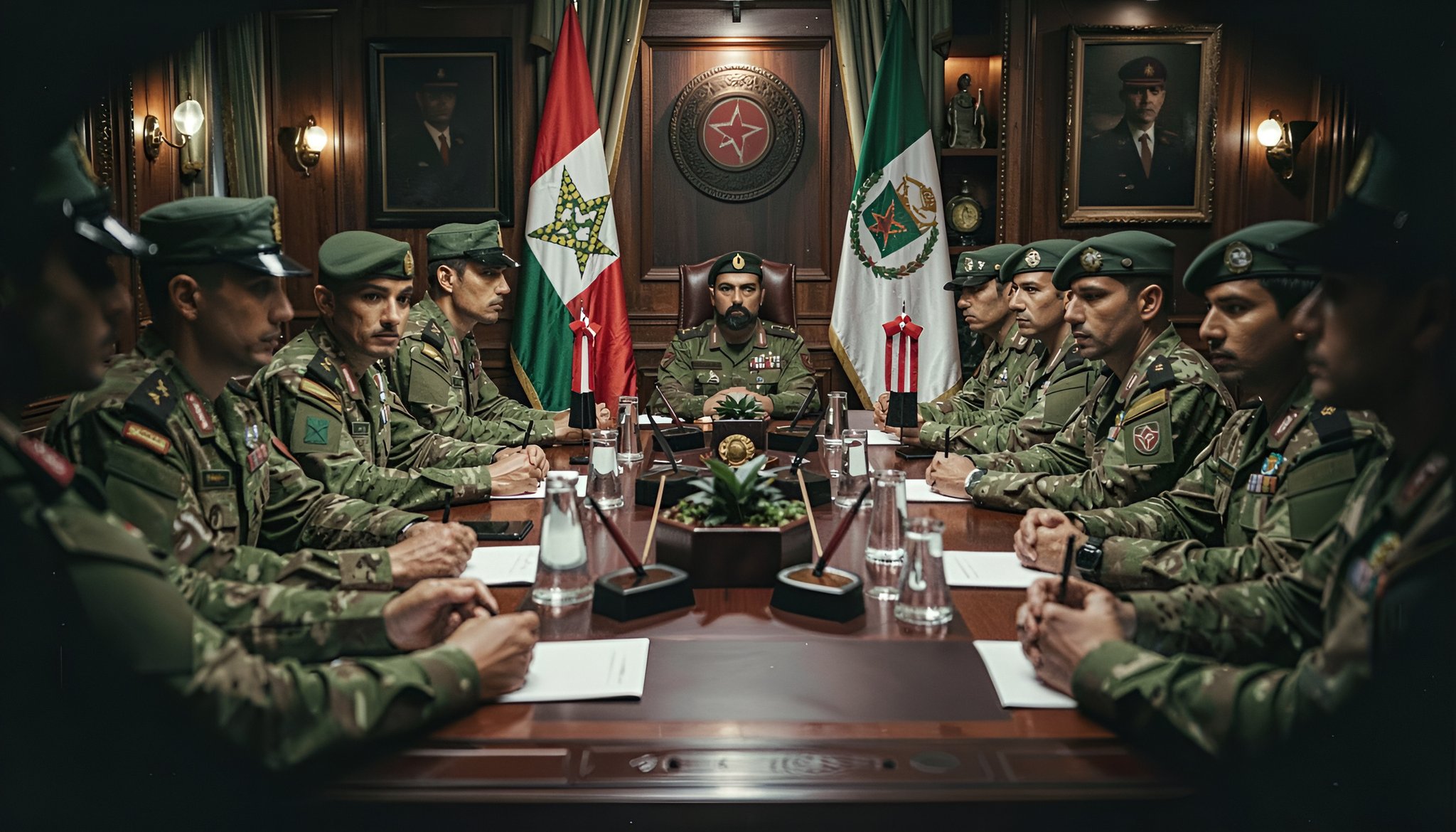
Several Muslim-majority countries condemned the religious restrictions and demanded guarantees for affected citizens. Some offered humanitarian assistance and consular protection. Others exerted diplomatic pressure on Madrid and threatened to review trade agreements.
But other actors with different interests also emerged.
Transnational extremist networks began spreading propaganda, raising funds, and presenting the events as a war between Islam and Europe.
Certain foreign leaders used the crisis to strengthen their domestic influence and portray themselves as defenders of Muslims abroad.
They did not all pursue the same objective. Some sought to protect vulnerable communities. Others aimed to weaken Spain or increase their international bargaining power.
Radical groups, meanwhile, used foreign statements as proof that they had powerful allies.
The Spanish government denounced international interference and tightened controls on certain funding networks.
Those decisions fueled a new controversy: how could a state defend itself against foreign intervention without using that threat to indiscriminately restrict the activities of legitimate associations?
Relations with Morocco entered a period of diplomatic tension. Border issues, trade, and security acquired extraordinary importance.
In Brussels, European leaders feared that the crisis would spread and deepen divisions among member states.
The European Union had spent years dealing with disagreements over immigration, asylum, religious freedom, and national sovereignty. Now it had to confront a crisis in one of its own countries that challenged both its ability to protect fundamental rights and its capacity to respond to internal conflicts.
The problem was not exclusively Spanish.
It was a test for the European project.
If every state responded to cultural tensions by weakening the rights of its minorities, liberal democracy would lose credibility.
But if institutions ignored genuine problems involving security, integration, or extremism, they would also fuel public distrust.
The challenge was to defend rights without denying problems, and to address problems without treating entire communities as suspects.
Meanwhile, a proposal that had once seemed marginal began circulating in Andalusia.
If Spain could no longer guarantee coexistence, why not separate the territory and establish an independent state?
6. Andalusia Declares Independence
In the summer of 2055, the crisis reached a breaking point.
In this fictional story, decades of accumulated demographic change had made Muslims the majority of Andalusia’s population. But that majority did not constitute a uniform political bloc.
There were Muslim citizens who supported independence, others who opposed it, and many who did not want their religion to determine their constitutional position.
There were also non-Muslim Andalusians who demanded greater autonomy, citizens who supported Spanish unity, and people who simply wanted the violence to end.
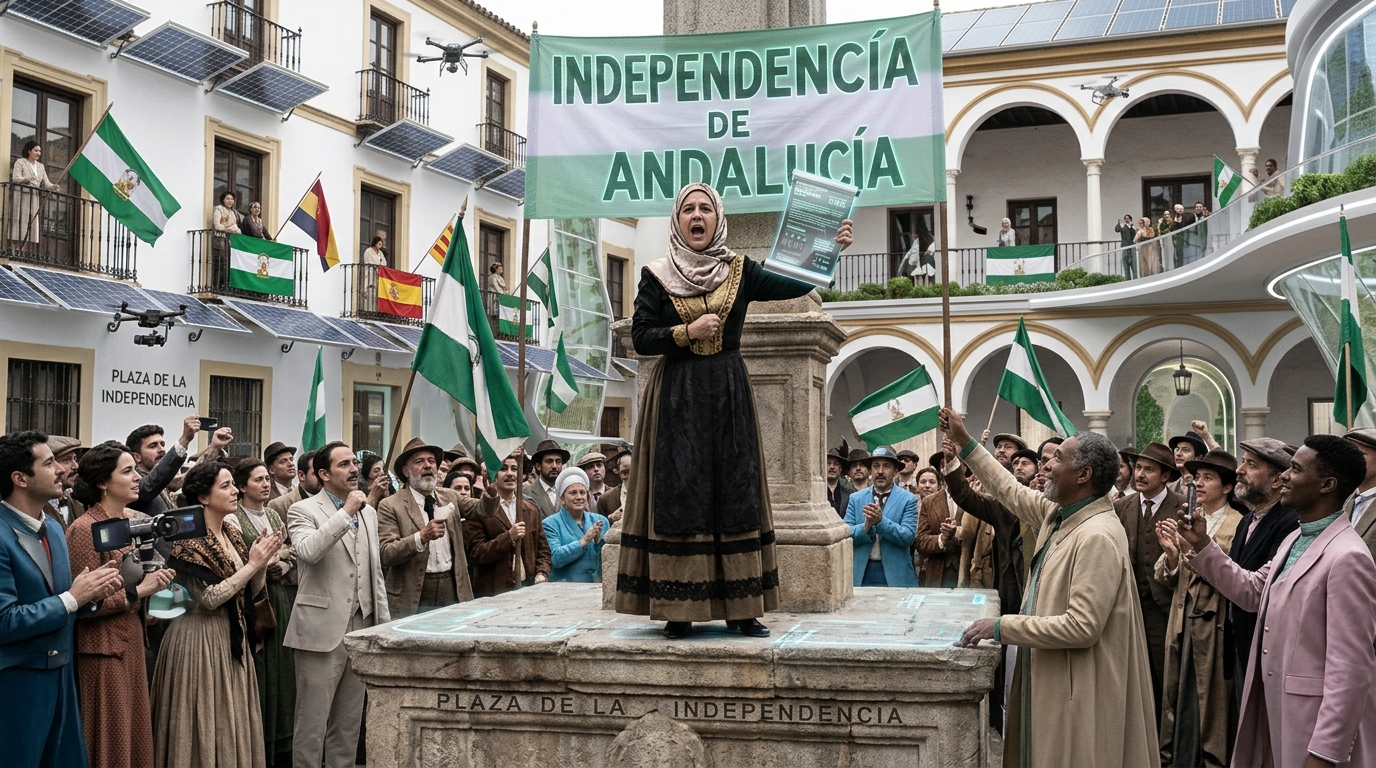
A broad coalition of regional parties, civil associations, and religious organizations called an extraordinary assembly in Seville.
Millions of people followed the meeting.
Its spokesperson, Samira Benali, was a lawyer born in Granada to a Muslim family that had lived in Spain for generations.
She had devoted her career to defending fundamental rights and had criticized both the government’s discriminatory policies and the proposals of those who wanted to subordinate civil institutions to a religious interpretation.
When she stepped onto the stage, the square fell silent.
“We have been told that we must choose between our faith and our rights. Then we were told that we must choose between our identity and our country. Today, we declare that neither of these choices is acceptable.”
The crowd responded with applause.
Samira continued:
“We do not want our children to grow up believing they will always be foreigners. We do not want anyone to have to hide their religion to be respected. But we also do not want anyone to have to accept a religion to be considered a legitimate citizen.”
Her speech was interrupted by further applause.
Then came the sentence that would change history.
“If existing institutions cannot guarantee our rights and our security, we will demand the right to decide our political future.”
The assembly approved a unilateral declaration of independence.
Andalusia announced its intention to separate from Spain and become an independent state.
Its proponents promised free elections, legal equality, and protection for minorities.
But the declaration did not resolve internal divisions.
Democratic factions defended a pluralistic republic, with separation between religion and state.
The most conservative Islamists demanded a central constitutional role for Islam.
Some regional leaders supported independence primarily for territorial and economic reasons, not religious ones.
And part of the population feared that the breakaway would trigger an even more serious crisis.
Nor did the declaration mean that independence had been legally completed or that other countries would recognize it. It was a unilateral proclamation whose legality, viability, and international recognition were disputed.
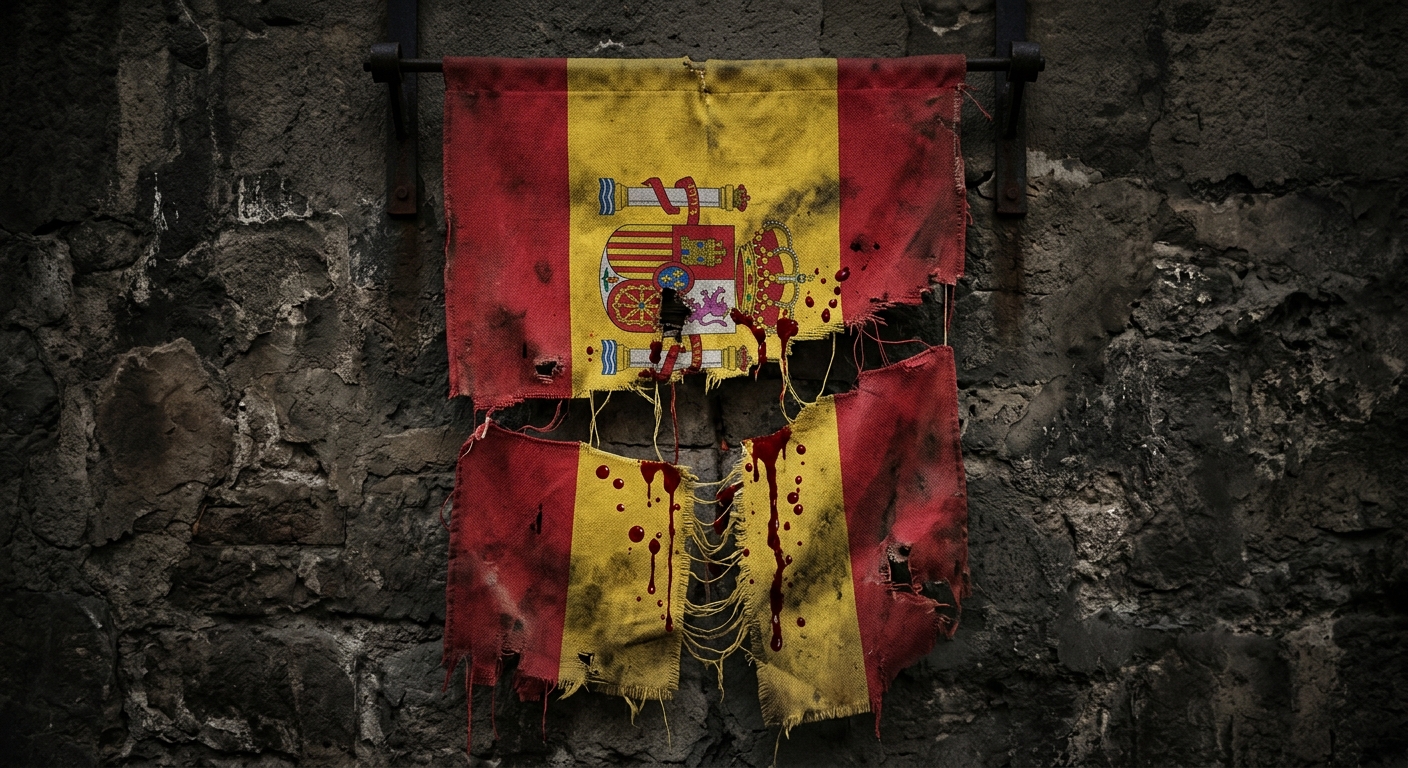
From that moment on, however, Spain faced the gravest territorial crisis in its contemporary history.
And Europe confronted a question that had once seemed unthinkable:
What happens when a crisis of coexistence becomes a crisis of sovereignty?
7. The Question Nobody Wanted to Answer: What Kind of State Would Andalusia Become?
Madrid rejected the declaration and stated that it would not recognize unilateral secession.
The government maintained that it would defend Spain’s territorial integrity within the constitutional framework and would not accept a political declaration as a substitute for legal procedures.
The European Union also refused to recognize the new state and called for urgent negotiations.
Tensions grew, but the most important political conflict was not solely between Madrid and Seville.
It was within Andalusia itself.
For months, supporters of independence had shared a common adversary. Breaking away from Spain had brought together people who, under normal circumstances, would have supported very different projects.
Now they had to answer a much harder question: what kind of institutions did they want to build?
Samira and her allies defended a constitution guaranteeing equality for all citizens, regardless of religion, sex, or origin. They wanted independent courts, competitive elections, freedom of the press, and a clear separation between political power and religious authorities.
Their opponents believed that this model did not sufficiently reflect the Muslim identity of the majority of the population.
Some demanded that certain religious rules directly influence civil legislation. Others advocated restrictions on the public expression of ideas considered contrary to religion.
Non-Muslim citizens began wondering whether they would enjoy the same rights in the new state.
But doubts also emerged among Muslims themselves.
What would happen to a woman who wanted to leave a conservative religious community? Could a journalist publicly criticize religious leaders? Would atheists enjoy the same political rights? Could a Muslim defend a liberal interpretation of their religion without being accused of betraying their community?
Independence, by itself, answered none of these questions.
A society can have a Muslim majority and be a liberal democracy. It can also have a Muslim majority and establish a system that limits individual rights in the name of religion.
The decisive question is not simply who constitutes the majority.
It is what limits that majority accepts when exercising power.
Democracy does not mean that the largest group can impose all its preferences. It also means protecting those who disagree, especially when their ideas or identity are unpopular.
Samira understood this when she received the first draft of the future constitution.
The document proclaimed religious freedom but granted political privileges to certain religious institutions.
The lawyer refused to sign it.
“We are not going to build a state to escape discrimination only to end up creating another form of discrimination,” she declared.
Her decision triggered a crisis within the independence movement.
Her opponents accused her of undermining the unity of the project. Some of her former allies considered her a traitor.
But Samira insisted that there was no point in demanding freedom for one community if that freedom was not also guaranteed to those who thought differently.
The question was no longer simply whether Andalusia should be independent.
It was whether Andalusia could build a political system that did not reproduce, under a different flag, the very problems it had sought to
escape.
8. The Night Europe Feared a Civil War
The conflict reached its most dangerous point when a series of attacks caused numerous casualties in several cities.
Initial reports were contradictory. Accusations circulated against radical organizations, nationalist groups, and foreign actors. Investigators had not yet established a complete picture of what had happened.
Nevertheless, the propaganda machine was already running.
In Madrid, the most radical factions demanded a definitive response.
In Andalusia, the most extreme factions called for a general mobilization.
Messages arrived from abroad promising political and military support to those who continued the confrontation.
For several hours, Europe feared that the conflict would escalate into a full-scale civil war.
Governments tightened security measures. Embassies prepared evacuation plans. Markets reacted nervously, and thousands of families tried to leave the worst-affected areas.
Then something unexpected happened.
Thousands of citizens took to the streets of Seville, Córdoba, Granada, and Málaga.
They marched under neither a religious nor a nationalist flag.
They carried photographs of the victims and banners demanding an end to the violence.
Muslims and Christians, believers and atheists, Andalusians and citizens from other regions took part. They included people who had defended opposing political positions for years.
A Muslim woman held a sign that read: “My religion does not need your violence.”
A man who had supported the nationalist government carried another: “My country does not need your hatred.”
Not everyone forgave one another. Not everyone changed their minds. Some remained convinced that their opponents were responsible for the tragedy.
But thousands of people understood that victory for their own side would mean very little if the price was living permanently under the threat of violence.
The demonstrations did not resolve the conflict, but they changed the political climate.
Business organizations, trade unions, neighborhood associations, religious representatives, and numerous civil society groups demanded mediation.
Public pressure forced the authorities to accept international negotiations.
For the first time in months, the possibility of an agreement seemed real.
The war had not yet spread on a large scale.
And perhaps it could still be prevented.
9. The Agreement Nobody Considered a Victory
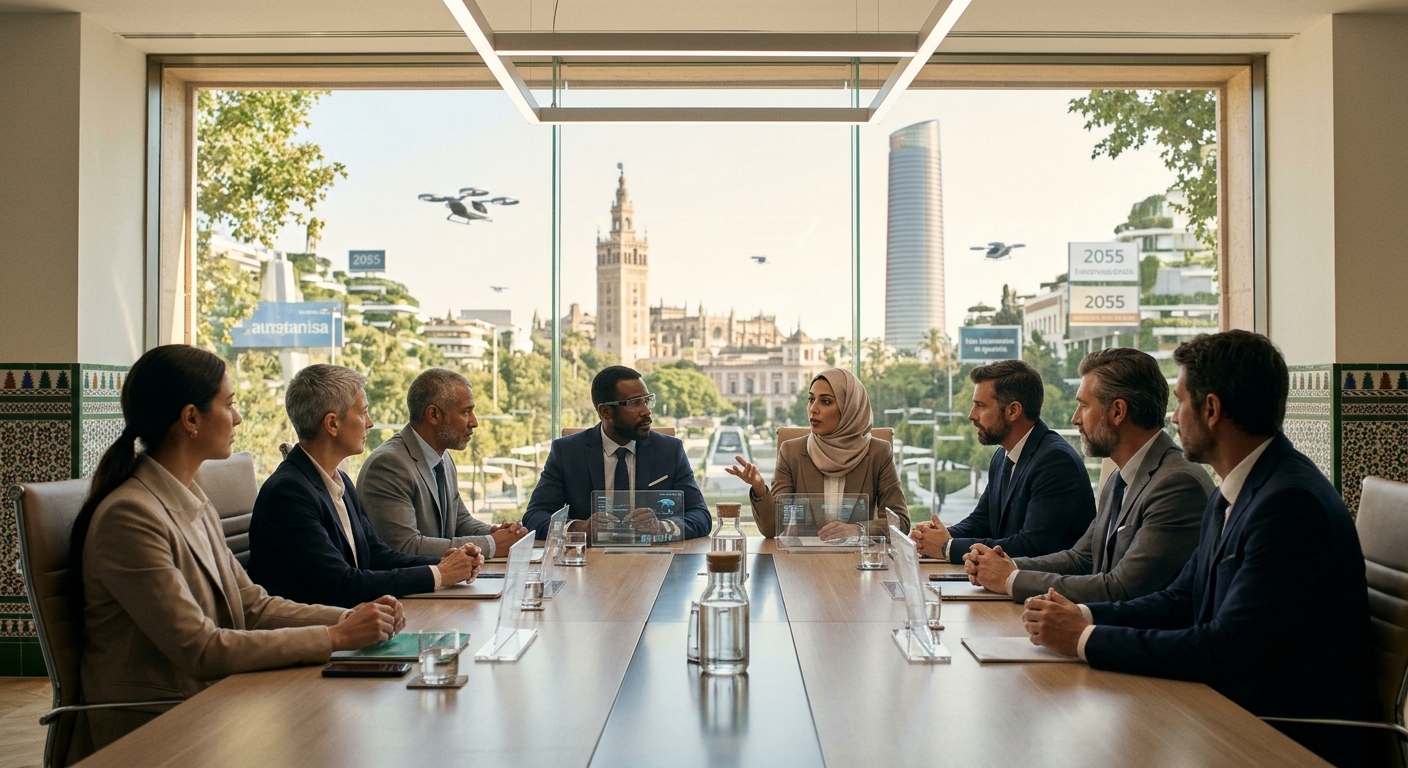
Negotiations lasted for months.
They were neither easy nor free from threats. There were interruptions, resignations, and demonstrations by those who considered negotiation a form of surrender.
Spain demanded respect for the constitutional order and rejected recognition of unilateral independence.
Andalusian representatives demanded guarantees against religious discrimination, protection for affected communities, and a thorough review of the autonomy model.
International mediators insisted that any solution had to respect fundamental rights and follow legitimate political and legal procedures.
Eventually, a provisional agreement was reached.
The Spanish government agreed to review measures that had violated fundamental rights and establish independent oversight mechanisms. Judicial protection against discrimination was strengthened, and an institutional reform process was opened to address demands for self-government.
Andalusian representatives, in turn, agreed to abandon the unilateral declaration as an immediate course of action and participate in a negotiated process subject to constitutional and democratic safeguards.
The agreement did not grant independence.
Nor did it automatically restore lost trust.
The most radical Spanish nationalists accused the government of yielding to blackmail. The hardest-line independence supporters denounced their leaders for abandoning a historic opportunity.
Islamist factions seeking to transform the political system considered the concessions insufficient.
And many citizens wondered why it had been necessary to come so close to catastrophe before negotiations could even begin.
But the agreement helped reduce the violence.
Economic activity recovered in the worst-affected areas. Businesses that had been illegally closed reopened. Families returned to the courts with the expectation of receiving effective protection.
Muslim citizens regained guarantees of their rights.
Non-Muslim citizens received explicit commitments that their religious freedom, freedom of expression, and legal equality would not depend on the religious composition of the population.
Extremist organizations did not disappear. They continued to denounce the agreement and tried to keep the confrontation alive.
But they lost some of their ability to portray violence as the only alternative.
Andalusia did not become the independent state some had imagined.
Instead, it became the setting for a profound political transformation that forced Spain to reconsider its mistakes and its citizens to confront questions they had avoided for far too long.
Normality returned slowly.
But no one could bring back the lives lost, immediately repair divided families, or erase the memories of a generation that had grown up believing coexistence was impossible.
The agreement had prevented a greater catastrophe.
It had not solved every problem that had caused it.
10. Ten Years Later: Samira’s Question
The year is 2065.
Ten years after the crisis began, Samira Benali returned to a square in Seville where she had delivered one of the most important speeches of her life.
The city had changed.
There were new buildings, new businesses, and a generation of young people who barely remembered the events of 2045. Schools taught the crisis as one of the most difficult episodes in recent Spanish history.
The journalist interviewing her asked a direct question:
“Do you believe all of that was inevitable?”
Samira remained silent for a few seconds.
“No,” she replied. “And that is precisely the problem.”
She looked at the camera and continued:
“Every decision seemed reasonable to the people making it. Some said that prohibitions were necessary to protect their identity. Others claimed that a stronger response was needed to defend their dignity. Then came those who wanted to impose their religion and those who wanted to expel everyone who practiced it. Each group believed that the next step would solve the problem.”
She paused.
“But every step closed another door.”
The journalist asked whether Europe had learned its lesson.
“I still don’t know. Coexistence does not mean that we all think alike. It means that nobody can take away your rights because they dislike your identity, your religion, or your ideas. And it also means that no religion can demand that the rest of society live under its rules.”
Samira recalled that, in the years before the crisis, many citizens had confused tolerance with the absence of conflict.
They had believed that proclaiming diversity was enough to guarantee integration. Others had assumed that imposing restrictions was enough to resolve cultural tensions.
Both had underestimated the complexity of the problem.
Integration required effective institutions, economic opportunities, education, a shared language for public life, and a common citizenship. It also required equal application of the law and a refusal to allow religious differences to become grounds for exclusion.
Defending democracy required more than elections.
It required independent courts, freedom of the press, minority protection, and effective limits on the power of any majority, whether religious or nationalist.
And coexistence required acknowledging an uncomfortable truth: a pluralistic society cannot eliminate all its differences, but it can build common rules to prevent those differences from turning into permanent conflict.
The camera slowly pulled away.
Children from different families were playing in the square.
None of them knew that, ten years earlier, the place had come close to becoming a symbol of war.
Their parents argued about politics, religion, education, and Europe’s future. But they did so in a city where, after many years, it was once again possible to disagree without considering one’s opponent an enemy who had to be destroyed.
It was not a perfect society.
It was simply a society that had rediscovered the value of its own rules.
And perhaps that was the greatest lesson of the crisis.
11. The Fiction Ends. Europe’s Dilemma Continues.
The story of Andalusia in 2045 is imaginary. But the questions it raises are real.
The first is whether liberal democracies can manage cultural tensions without resorting to discriminatory measures.
States have the right and the duty to protect security, investigate extremist networks, control illegal financing, and enforce the law. They can also establish legitimate rules governing the operation of public institutions.
But when a government turns religious identity into a security problem by definition, it undermines the legal equality it claims to protect.
The second question is whether religious communities can integrate fully into a liberal democracy when certain religious interpretations conflict with its principles.
Religious freedom protects the right to believe, practice a religion, change one’s religion, or have none at all. It does not give a religious organization the right to impose its rules on society as a whole.
A liberal democracy must protect both a woman who chooses to wear the hijab and a woman who decides not to wear it, as well as anyone who questions the rules of their own community.
The third issue is the role of the far right.
The growth of radical nationalist parties can stem from various factors: economic insecurity, institutional distrust, concerns about immigration, cultural conflicts, or rejection of political elites.
It would be inaccurate to attribute everything to a single factor.
But it would also be unreasonable to ignore the risk that certain parties might turn real problems into collective accusations against a minority.
This does not mean that every restrictive policy causes radicalization, or that everyone affected responds in the same way. It means that the consequences of public policies must be evaluated rather than taken for granted.
The fourth question is whether the territorial concentration of a community can turn a social conflict into a crisis of sovereignty.
European history shows that identity, territory, language, religion, and aspirations for self-government can interact in complex ways. But demographic composition does not automatically determine a population’s political will.
Even if a religious community were to become a majority in a territory, that would not prove that its members shared an independence project, much less that they wanted to establish a confessional state.
Andalusian independence is an extreme narrative device. It is neither a prediction nor a conclusion that can simply be drawn from migration patterns.
Precisely for that reason, fiction allows us to explore the decisive question: what happens when religious identity becomes the main criterion for defining political belonging?
The answer depends on institutions, citizens’ decisions, and the limits a society is willing to impose on power.
A majority can elect a government, but it should not be able to arbitrarily deprive a minority of its rights.
A community can defend its cultural identity, but it should not be able to turn that identity into an obligation for everyone else.
And a state can defend its borders and security, but it should not confuse protecting the nation with persecuting people who hold different beliefs.
12. The Real Question: Who Will Change Whom?
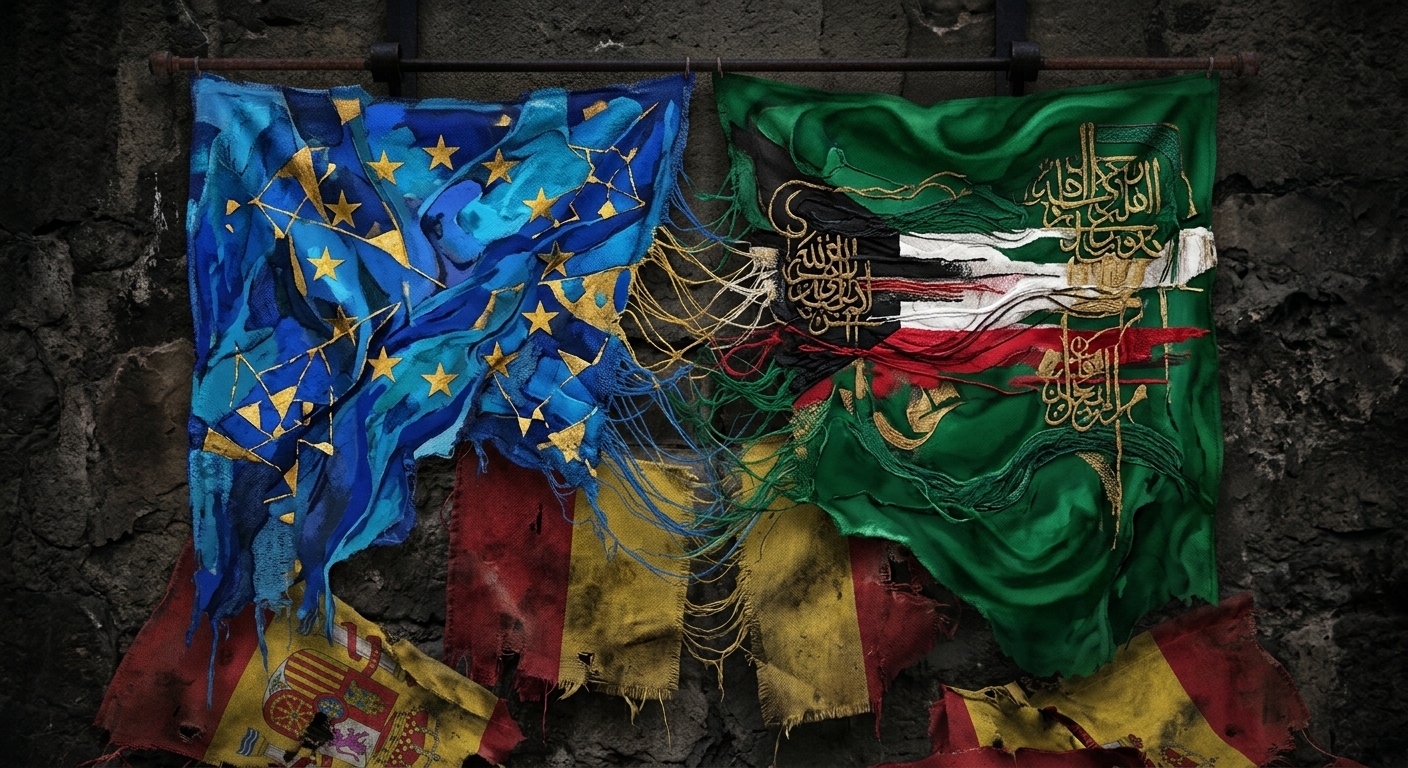
For years, the European debate about Islam has oscillated between two opposing expectations.
Some believe that European societies will eventually transform Islamic practices and interpretations through education, secularization, legal equality, and everyday coexistence.
Others fear that certain religious currents could transform European societies and weaken principles that are considered fundamental today.
Both scenarios contain hypotheses worth examining, but neither can be taken for granted.
European societies are not static. Their values, institutions, and customs change over time. Nor is Islam a uniform reality, or one that remains isolated from the societies in which it is practiced.
The issue is not to imagine one civilization achieving total victory over another.
It is to determine which principles must remain non-negotiable so that citizens with different convictions can live under the same laws.
Equality before the law, freedom of conscience, freedom of expression, minority protection, and individual autonomy lie at the heart of this debate.
These principles must also apply when they are inconvenient for an electoral majority, a religious tradition, or a political movement.
Europe does not have to abandon its freedoms to accommodate diversity. Nor does it need to turn diversity into a permanent threat in order to defend those freedoms.
But it must recognize that coexistence cannot be sustained by good intentions alone.
It requires realistic integration policies, effective institutions, democratic oversight, equal opportunities, and a firm commitment to combating both discrimination and extremism.
Conclusion: The Future Has Not Yet Been Written
Andalusia, 2045.
Perhaps, decades from now, someone will remember this story as an exaggerated fantasy.
Or perhaps they will recognize in it some of the warnings that societies failed to heed in time.
In any case, the question remains open:
Can Europe defend its identity without destroying its freedoms? Can political Islam fully accept a democracy in which no religion stands above the law? And can citizens from both traditions find common ground before extremists decide their future for them?
Europe’s future has not been written.
But the way it answers these questions will help determine what kind of continent future generations inherit.